
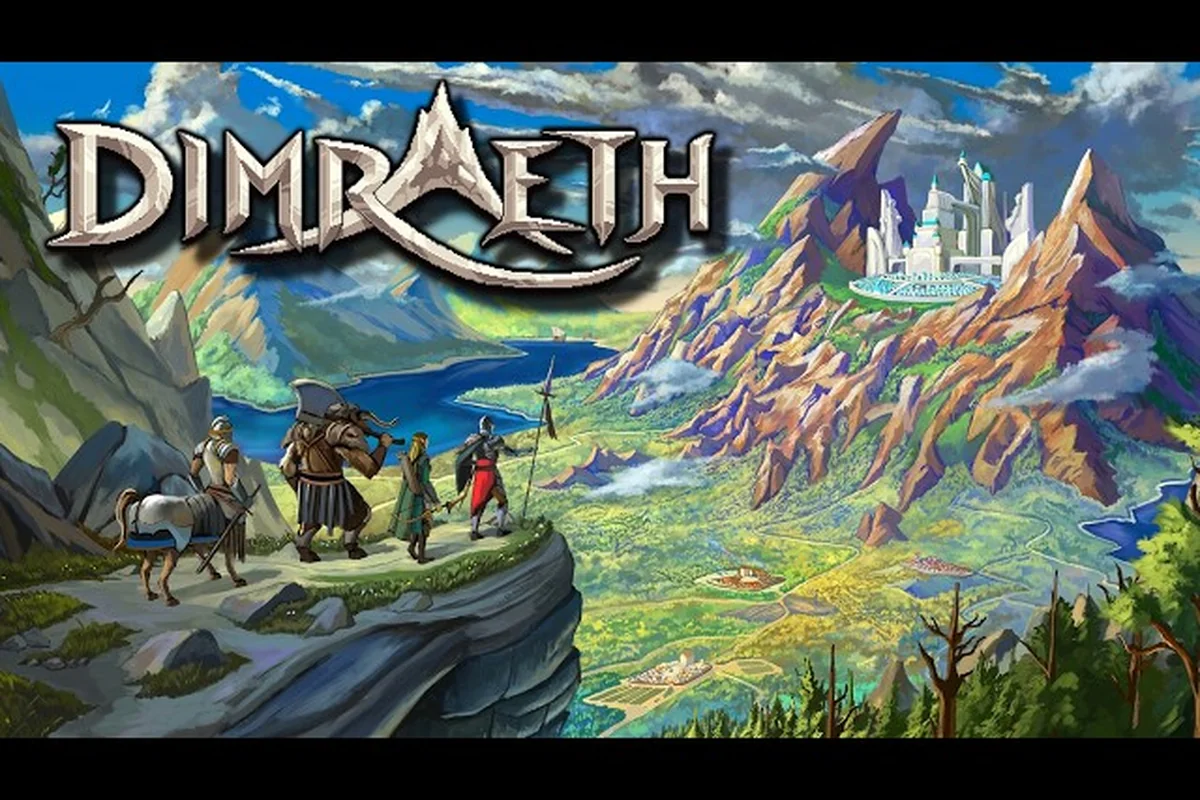
Dimraeth drops players into the dying world of Mirkea on September 15, 2026, and a smart Dimraeth beginner guide can save you hours of trial-and-error in the first act. With 8 races, 6 classes, and a level cap of 25 at Early Access launch, every choice you make on day one shapes how fast you climb to the endgame content that follows each new act. This gameplay guide walks through the races, classes, stamina-based combat loop, and the quest path most newcomers should follow to hit the level cap without burning out on mechanics you did not know existed.
Race-Class Synergy and Starting Weapons
The most important decision you make in any Dimraeth gameplay guide is your starting combination, because race and class together determine which weapons feel natural, which elemental affinities you tap into, and how forgiving your stamina economy is during the first ten hours. The official site confirms there are 8 playable races and 6 classes at EA launch, so understanding the synergy between your two picks matters far more than picking a single best option.
Race vs Class Role in Combat
Races define your base body, stat spread, and a few passive flavor traits, while classes define your combat kit, resource bar, and signature abilities. A Minotaur standing seven to ten feet tall with sharp curved horns brings intelligence and tactical thinking to the frontline, which makes it a natural pairing for the Magician class that blends elemental magic with weapon strikes. Humans sit at the other end as the most populous race of Mirkea, adaptable enough to slot into any of the six classes without major penalties.
The official Dimraeth website lists the Magician as an elemental caster who weaves fire, ice, and lightning into weapon swings, while the Brawler is described as a close-combat specialist who uses grappling and unpredictable movements to break enemy guard. Those two classes alone illustrate how different two valid builds can feel even before you factor in race passives.
Recommended Starting Combinations
| Combination | Playstyle | Stamina Profile | Best For |
|---|---|---|---|
| Human + Magician | Ranged elemental caster with staff strikes | Medium regen, burst heavy | First-time players who want forgiving positioning |
| Minotaur + Brawler | Grappling frontline that locks down elites | High cost, high reward | Players who learned combat basics in a tutorial |
| Human + Brawler | Mobile grappler with reach advantage | High cost, medium reward | Solo players who want a self-sufficient kit |
| Minotaur + Magician | Tanky caster that survives miscasts | Medium regen, steady | Group play where you anchor the backline |
If you are still undecided on race details, the broader Dimraeth race tier breakdown goes deeper into each race's stat spread and faction starting area, which can swing your pick if you care about lore or starting quests.
Understanding Stamina-Based Combat
Every fight in Mirkea runs on a stamina bar shared between dodging, blocking, and weapon swings, so learning the stamina economy is the single highest-leverage skill in any Dimraeth how to play resource. The bar refills quickly out of combat but drains hard when you chain attacks, and the wrong sequence can leave you staggered with zero stamina at the worst possible moment.
The Core Combat Loop
Dimraeth runs on three actions that all draw from the same pool: light attacks, heavy attacks, and dodges. Light attacks cost a small chunk of stamina and build toward a combo finisher, heavy attacks cost a large chunk but deal high stagger damage, and dodges cost a medium chunk but give a brief invulnerability window if you time them against a telegraphed swing.
| Action | Stamina Cost | Stagger Output | When To Use |
|---|---|---|---|
| Light attack combo | Low per hit | Low per hit, builds toward finisher | Default filler between heavy windows |
| Heavy attack | High per swing | High per swing, breaks enemy guard | After a successful dodge or parry |
| Dodge roll | Medium per roll | None, grants iframes | On telegraphed boss swings and AoE rings |
| Block | Passive drain | Low, builds your guard break | When stamina is low and you need a breather |
Stamina Overcommit Patterns in Early Dungeons
New players almost universally spend stamina too early on heavy attacks, then panic-dodge into a second enemy with an empty bar. The fix is treating stamina like a mana pool: spend on one strong action, then spend two seconds recovering before committing again. The community Discord has repeatedly highlighted that the first three dungeon bosses in EA can one-shot players who overcommit on heavies, so treating stamina as a finite resource instead of a meter to ignore is the single biggest mechanical upgrade you can make in your first five hours.
Your First Hours: Quest Path and Leveling Speed
The smartest way to spend your first hours in Mirkea is following the main story thread until it forks, then mixing in three or four side dungeons for the gear and skill points they reward. According to the Dimraeth Steam page, the EA level cap sits at 25, and the cap rises with each new act, so reaching 25 quickly matters more than grinding randomly because the soft-underflow of side content is tuned around hitting that number.
Act 1 Quest Priority
| Quest Type | Recommended Priority | Reason |
|---|---|---|
| Main story quests | Always highest | Unlocks new zones, dungeons, and the next act's level band |
| Faction intro quests | High | Gives race-locked dialogue, a free weapon, and a reputation meter |
| Dungeon clears | Medium | Each dungeon drops a piece of gear above your current level range |
| Crafting intro quests | Medium | Unlocks the stronghold crafting bench for the first time |
| Random side errands | Low | Save these for when you run out of main content for the session |
Leveling Curve Expectations
Community playtests reported by early Mudtek Discord members suggest Act 1 takes most solo players eight to twelve hours to clear, while a coordinated four-player group can finish the same content in five to seven. The XP curve flattens noticeably once you cross level 15, so it is normal to feel a slight grind in the back half of the act. If you want a full breakdown of how XP feeds into the Dimraeth progression system and what the immortality endgame looks like, that guide maps the act structure against the level cap.
Co-op vs Solo: Picking Your First Group
Dimraeth supports 1 to 8 player co-op, and the gameplay loop shifts meaningfully between solo play and a full party of eight, especially in the way elites, world bosses, and dungeon trash all aggro and scale. Choosing your first group format is part of any honest Dimraeth early access guide because the experience changes so much between the two extremes.
Solo vs Co-op Differences
| Factor | Solo Play | 4-Player Co-op | 8-Player Co-op |
|---|---|---|---|
| Enemy HP scaling | Base values | Roughly 2.5x base | Roughly 4.5x base |
| Stamina pressure | High, one mistake ends runs | Medium, healers can cover | Low, constant support uptime |
| Loot distribution | All drops go to you | Need-based, group rolls | Group vote, classes get priority tokens |
| Boss design | Designed around 1-2 players | Designed around 4 players | Some bosses gain new mechanics at 6+ |
When to Switch to Co-op
The natural pivot point is the first world boss of Act 1, which has a damage check most solo Magicians cannot meet without a fully upgraded staff. Once you hit that wall, queuing up with two or three other newcomers is the fastest path forward because the scaling only multiplies HP, not enemy damage, so a coordinated four-person team burns the boss down faster than any solo build. If you are planning a co-op launch, the Dimraeth best class for co-op tier list covers which classes anchor parties, which ones flex into any role, and which ones need a dedicated healer to function.
Building Your Stronghold and Managing Resources
The stronghold is your long-term home base in Mirkea and it doubles as the crafting hub, storage vault, and fast-travel anchor for the entire map. According to the Dimraeth on Steam listing, the game lets you shape a stronghold to call home, and Mudtek has framed that as a core pillar rather than a cosmetic side mode, so investing time in it from day one pays off across every act.
Stronghold Priority Upgrades
| Upgrade | Cost Tier | Why It Matters Early |
|---|---|---|
| Crafting bench | Low | Lets you upgrade weapons without returning to town |
| Storage chest | Low | Doubles your carrying capacity, removes mid-dungeon trips |
| Fast-travel shrine | Medium | Saves 10-15 minutes per session of running back to quest givers |
| Defensive wall | Medium | Holds off raid events that interrupt your crafting queues |
| Relationship hub | High | Unlocks NPC companion quests with permanent stat rewards |
Resource Management Tips
Raw ore, herbs, and cloth all stack into your chest but the per-stack caps are tight early, so sell excess common-tier materials to a vendor instead of hoarding them. A common mistake new players make is saving every blue drop in case they need it later, but the first three dungeons alone produce more gear than you can equip, so the value of liquid gold from selling blues almost always beats the value of carrying them.
The class stat page on Dimraeth class stats also tracks which class benefits most from each stronghold upgrade, since Magicians scale harder with bench upgrades while Brawlers gain more from defensive walls because they need a safe place to recover between grapples.
Frequently Asked Questions
When does Dimraeth Early Access release?
Dimraeth Early Access launches on September 15, 2026, with a level cap of 25 at launch. The cap rises with each new act, so the first act is fully playable from day one and later acts expand the level ceiling as Mudtek ships them.
What is the best race for beginners in this Dimraeth beginner guide?
Humans are the most forgiving race for first-time players because they slot into any of the six classes without penalties and start in the most central zone of Mirkea. Minotaurs are stronger in pure stats but they are locked into fewer starting quest lines, which can slow early leveling.
Should I play Dimraeth solo or in co-op first?
Solo play is the right call for your first two to three hours because the opening tutorial assumes a single player and the stamina mechanics are easier to learn without teammates soaking aggro. Once you reach the first world boss, queuing into a four-player group is the fastest way to clear the rest of Act 1.
What level should I be before attempting the first world boss?
Community playtests suggest hitting at least level 12 and upgrading your weapon twice at the stronghold bench before engaging the first world boss. Lower than that and the damage check will feel unfair even with a full party of four.
Can I respec my class after starting?
Class respecs are not available in the EA build, so pick carefully. The Mudtek Discord has hinted that a respec NPC may arrive in the first major post-launch patch, but the EA launch itself does not include one, and that is one of the most asked questions in the official community hub.