
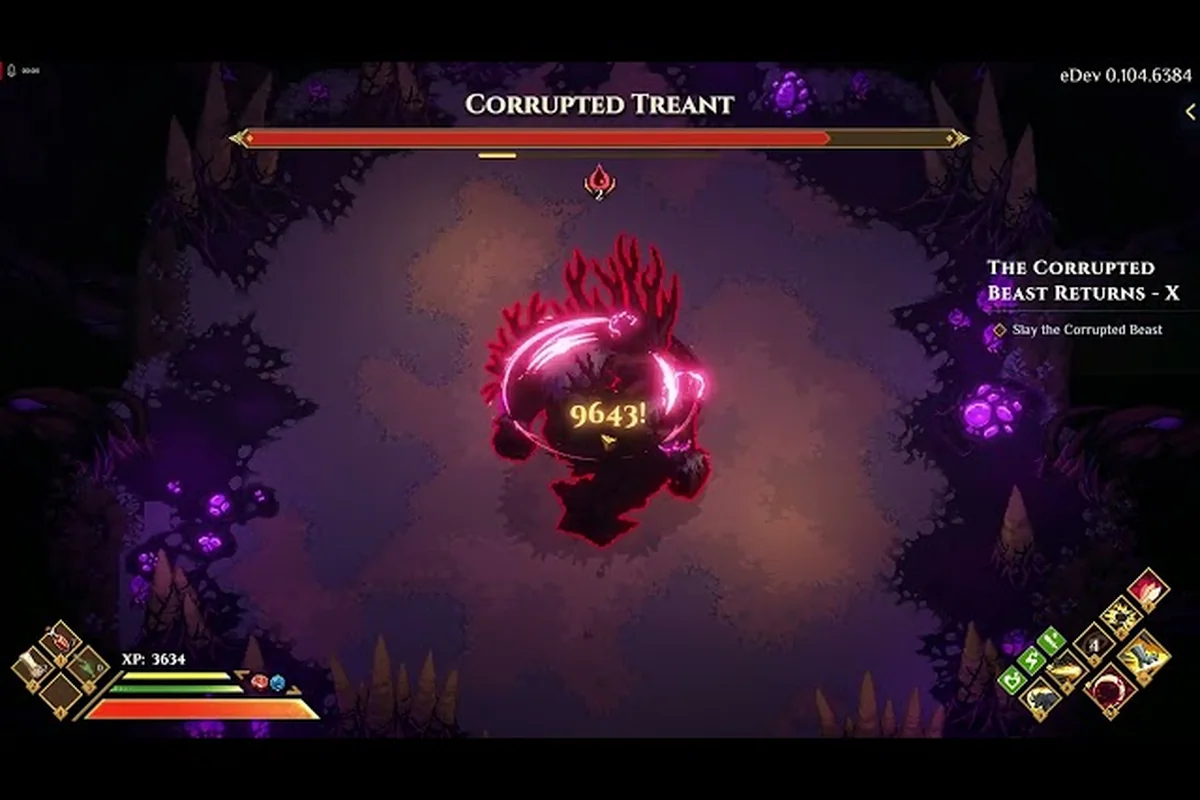
Universal magic in Dimraeth is the single biggest power shift available to any class, because it lets a sword-and-board Brawler cast the same fireballs a Magician does, as long as the spell attribute requirements are met. According to the Dimraeth on Steam page, the system is built on stamina-locked Souls-lite combat, five equippable spell slots, and more than 300 total spells that can be mixed into a spellbook for any archetype. That freedom is what makes Dimraeth universal magic such a high-value build path once you understand the attribute gates and the timing windows that keep your stamina from collapsing mid-fight.
How Dimraeth Universal Magic Works
Universal magic is essentially a permission system layered on top of the normal class spell list. Each spell has an attribute requirement (such as Intelligence, Willpower, or Faith) and a minimum character level. Once your character meets both gates, the spell becomes equippable in any of your five slots, regardless of whether your archetype is a Brawler, Magician, Shadow, or any other class. The practical effect is that a melee-focused build can keep a heal, a shield buff, and one ranged finisher equipped at all times, while a ranged build can still pull a short-ranged teleport or a stagger spell to survive when enemies close the gap.
The Spellbook Crafting Layer
You do not buy universal magic off a vendor. You craft spellbooks at an Enchanting Bench, combining the spell scroll with a blank codex and the correct reagent bundle. Each crafted book then teaches the spell to your account, so once you unlock a fireball on one character, every future character who meets the spell attribute requirements can slot it. This crafting gate is what stops universal magic from trivializing early game — scrolls are rare drops from elites, and reagent bundles are gated behind specific biomes.
| Crafting Component | Source | Notes |
|---|---|---|
| Spell Scroll | Elite / world boss drops | Spell-specific; cannot be bought |
| Blank Codex | Enchanter vendor (Tier 2+) | 250 gold per stack of 5 |
| Reagent Bundle | Biome-specific gathering | Mismatched reagents downgrade the craft to Common |
| Attribute Check | Character sheet | Must meet the spell's minimum stat |
Why Universal Magic Changes the Co-op Meta
In 1-8 player co-op, role overlap is the most common reason parties wipe. Two Magicians feel redundant, and a group of three Brawlers has no answer to a flying enemy. Dimraeth universal magic solves both problems by letting any party member plug a specific utility into their five slots without respeccing their class. A Brawler can carry a ranged interrupt, a Magician can hold an emergency heal, and a Shadow can keep a stagger spell in reserve for boss phases. The official Dimraeth website describes this as a system where class identity is the starting point, not the ceiling.
Dimraeth Spell Attribute Requirements Explained
Every spell in the game has a hidden attribute requirement that decides who can cast it. These are not displayed on the spell scroll itself — you only see them when you try to slot the spell and the system rejects you, or when you inspect the spell at an Enchanting Bench. Community testing on the early access branch has mapped out the broad tiers, but exact numbers can shift with patches.
Primary Attribute Tiers
The three primary attributes most often referenced in spell attribute requirements are Intelligence (elemental damage, mana pool, spell crit), Willpower (stamina regen, defensive buffs, shield spells), and Faith (healing, light damage, undead-targeting bonus). Most offensive spells scale off Intelligence, while defensive and support spells scale off Willpower, and Faith sits in a hybrid niche. Dimraeth spell attribute requirements generally demand a 12-18 minimum in the primary stat for Tier 1 scrolls, scaling up to 24-30 for Tier 4 boss-drop spells.
| Attribute | Common Spell Types | Why It Matters |
|---|---|---|
| Intelligence | Fire / Ice / Lightning | Drives raw spell damage and mana pool |
| Willpower | Shields, dodges, stamina buffs | Lets you cast without dropping your melee window |
| Faith | Heal, Cleanse, Smite | Hybrid caster-melee builds rely on it |
| Strength | Weapon-scaling buff spells | Lets a mage slot a melee steroid on demand |
Secondary Stat and Level Gates
Beyond the primary stat, most Tier 3+ scrolls also require a minimum character level and at least one point in a secondary attribute. A fireball might demand 16 Intelligence and Level 12, while a Holy Smite might demand 14 Faith, 10 Willpower, and Level 18. Failing either check is a hard rejection — the spell simply will not slot, with no partial cast. The cleanest way to avoid wasted scrolls is to keep your Enchanting Bench crafting list open, because the bench shows the full requirement list for every scroll in your inventory.
Dimraeth Best Combat Skills for Hybrid Builds
The best combat skills for a universal magic build are the ones that scale off both weapon damage and spell power, because they let your melee swings and spell casts feed the same damage pipeline. These are usually labeled as Hybrid Skills in the skill tree, and they show up at class levels 8, 14, and 20. The strongest examples in the current patch are weapon-scaling fire imbues, parry-into-cast follow-ups, and short-ranged teleports that refund stamina on a successful hit.
Tier Ranking of Hybrid Combat Skills
| Skill | Tier | Slot Cost | Why It Ranks Here |
|---|---|---|---|
| Ember Strike (Hybrid) | S | 1 slot + 1 melee slot | Imbues next 3 swings with fire; scales off both INT and STR |
| Warp Riposte | S | 1 spell slot | Parry into a guaranteed cast; refunds 30% stamina on hit |
| Quench Heal | A | 1 spell slot | Heal scales off Willpower, cast time 0.8s, no channeling |
| Storm Lunge | A | 1 melee slot + 1 spell slot | Charge that ends in a lightning AoE; high damage but slow |
| Glacial Step | B | 1 spell slot | Short teleport that freezes a 2m radius; weak single-target |
| Siphon Slash | B | 1 melee slot | Lifesteal on hit, but only triggers if a spell was cast within 4s |
The standout for most players is Ember Strike, because it converts a Brawler's standard three-hit combo into fire damage without changing the swing timing. The community consistently reports it as the top universal magic enabler for any melee combat guide, since the imbue applies before the swing, which means parry timing stays identical to a non-imbued swing.
Skill Slot Budget Reality
You only get five spell slots, so the real skill question is what to drop. A typical universal magic build runs 2 hybrid skills, 1 utility (heal or shield), 1 ranged finisher, and 1 flex slot. The flex slot is where the build shifts — solo players keep an emergency heal there, while co-op players drop the heal in favor of a party-wide buff. This is also where the Dimraeth spellbook guide becomes useful, because it walks through which five slots give the best return for a given scenario.
Dimraeth Co-op Combat Guide for Universal Magic
Universal magic shines brightest in co-op, because each party member can specialize in a different role without anyone losing their class identity. A 4-person group running universal magic usually splits into one tank, one hybrid DPS, one ranged caster, and one healer-flex. The interesting wrinkle is that the healer-flex is usually a Brawler who slotted Quench Heal and a shield buff, not a dedicated Magician — community reports suggest this role is the hardest to fill because it requires a player who can read stamina windows across the whole party.
Party Role Assignments
| Role | Class | Spell Slots | Main Job |
|---|---|---|---|
| Tank | Brawler | Shield buff, taunt, ranged interrupt | Hold aggro, open parry windows |
| Hybrid DPS | Magician or Brawler | Ember Strike, ranged finisher, Warp Riposte | Pump melee + spell damage |
| Ranged Caster | Magician | Elemental nukes, slow, control | Stay behind tank, drop AoE |
| Healer-Flex | Brawler | Quench Heal, Cleanse, flex | Heal off-tanks, cleanse debuffs |
Co-op Specific Stamina Rules
Stamina in co-op is shared per-player, not per-party, so each character has to manage their own bar. The mistake most groups make is treating universal magic as free damage — a Brawler who spams Ember Strike burns through stamina faster than a pure Magician casting fireballs would, because the imbue also pays a melee-stamina cost on every swing. The fix is to coordinate burst windows: the ranged caster opens with a slow, the tank parries, the hybrid DPS unloads Ember Strike during the parry window, and the healer only spends mana if someone dips below 40% HP. Coordinating this loop is what makes a Dimraeth co-op combat guide worth following, because the same rotation done out of order wastes 30-50% of the party's stamina pool.
For deeper rotation examples, the Dimraeth spell rotation breakdown shows how the Ember Strike + Warp Riposte chain plays out against a moving target. Pairing that with the role split above is what turns a random co-op group into a coordinated squad.
Dimraeth Melee Combat Guide With Spell Synergy
The melee combat guide layer is where universal magic stops being a caster trick and becomes a real build path. The core idea is that your five spell slots are no longer about replacing your weapon — they are about extending what your weapon can do. A Brawler with a greathaxe running universal magic does not become a mage; they become a Brawler whose greathaxe now cleaves through armor with fire damage and whose parries refund stamina into a follow-up cast.
Stamina Windows and Parry-Cast Flow
Every melee swing in Dimraeth costs stamina, and every parry refunds it. The universal magic combo the community calls "parry-cast" is built on this refund: parry an incoming attack, accept the 30-40% stamina refund, then immediately cast a spell that costs less than what you just refunded. The spells that fit this window best are fast-cast, no-channel abilities like Warp Riposte (cast time 0.3s) and Glacial Step (cast time 0.2s). Slower spells like a full fireball (cast time 1.2s) do not fit the parry window cleanly and will eat into your next swing's stamina.
| Combo Step | Stamina Cost | Stamina Refund | Net Change |
|---|---|---|---|
| Incoming attack | -10 | — | -10 |
| Parry | -15 | +18 | -7 |
| Warp Riposte (cast) | -20 | — | -27 |
| Ember Strike swing 1 | -12 | — | -39 |
| Ember Strike swing 2 | -12 | — | -51 |
| Ember Strike swing 3 | -12 | — | -63 |
A full parry-cast-imbue chain costs 63 stamina from a neutral position, but the key detail is that a level 30 character with Willpower gear caps at around 120 stamina, so you can run the chain twice before needing to disengage. The Dimraeth class skills page covers the attribute breakpoints that make this loop sustainable in longer fights.
Weapon Choice and Spell Scaling
Not every weapon pairs well with universal magic. Fast daggers scale off crit and benefit from instant-cast spells, but their low stamina cost means the parry-refund window is harder to time. Greataxes have high stamina cost per swing, which means a single missed swing leaves you open — but they also benefit the most from Ember Strike's three-hit imbue. Katanas sit in the middle and are the most forgiving option for new universal magic users, because their swing speed matches the imbue duration almost perfectly.
For a class-specific take, the Dimraeth brawler build page goes deeper into how a pure Brawler can specialize into a universal magic hybrid without losing access to the Brawler's grappling kit.
Dimraeth Ranged Combat Guide for Hybrid Casters
Ranged universal magic builds flip the script — your weapon becomes the support tool, and your spells are the primary damage. A Magician running universal magic in a ranged loadout typically keeps one weapon skill equipped (usually a staff passive that boosts spell crit) and fills the remaining four slots with damage spells. The interesting question is what to do when an enemy closes the gap, because ranged universal magic users have weak melee swings and bad stamina for dodging.
Ranged Slot Layout for Hybrid Casters
| Slot | Spell | Purpose |
|---|---|---|
| 1 | Primary nuke (fire / ice / lightning) | Main damage source |
| 2 | Secondary nuke (different element) | Trigger elemental reaction bonus |
| 3 | Slow or control spell | Create cast windows |
| 4 | Glacial Step or short teleport | Emergency gap closer |
| 5 | Flex (heal, shield, or ranged interrupt) | Survivability |
Elemental Reaction Bonus
The hidden mechanic that makes a Dimraeth ranged combat guide worth following is the elemental reaction bonus. If a target is hit by a fire spell and then an ice spell within 4 seconds, the second hit deals 25% bonus damage. The same applies to lightning into water-soaked targets, and ice into burning targets (a 35% bonus). Community testing suggests this bonus is what makes dual-element ranged builds outperform single-element ones, because the 25-35% bonus stacks on top of the normal spell scaling.
Players running this setup report that the most common mistake is over-casting the primary element and never switching. The fix is to keep your secondary nuke in slot 2 and bind it to a different hotkey so the muscle memory to switch is automatic. The Dimraeth best class tier list also tracks which classes get the most value from this dual-element setup, since Magicians and Shadows both have talent passives that boost reaction damage.
Frequently Asked Questions
What is Dimraeth universal magic?
Universal magic is a crafting-and-slot system that lets any class equip spells from outside their class list, as long as the spell attribute requirements (such as Intelligence, Willpower, or Faith minimums) are met. The spell is learned by crafting a spellbook at an Enchanting Bench, after which it can be slotted into any of your five spell slots on any character. This is what lets a Brawler cast the same fireballs a Magician does without respeccing.
What are the spell attribute requirements in Dimraeth?
The most common spell attribute requirements are minimum thresholds in Intelligence (for elemental damage), Willpower (for shields and stamina buffs), and Faith (for healing and holy damage), along with a minimum character level. Tier 1 scrolls usually demand 12-18 in the primary stat, while Tier 4 boss drops can demand 24-30 plus a secondary stat point. The exact numbers are visible at an Enchanting Bench, not on the scroll itself.
What are the best combat skills for a universal magic build in Dimraeth?
The best combat skills for a universal magic build are the Hybrid Skills that scale off both weapon and spell power. Ember Strike is the community's top pick because it imbues the next three swings with fire without changing swing timing, while Warp Riposte lets a parry flow into a guaranteed cast. Quench Heal and Storm Lunge round out the top tier for healer-flex and burst-DPS roles respectively.
How does universal magic work in co-op combat?
In co-op, universal magic lets each party member specialize without losing class identity, because everyone can slot the specific utility they need. A typical 4-person group runs one tank, one hybrid DPS, one ranged caster, and one healer-flex, with the healer-flex often being a Brawler carrying Quench Heal. The main pitfall is uncoordinated stamina use, which is why parties that sync their burst windows outperform parties that spam independently.
Can a melee build use ranged spells with universal magic?
Yes, a melee build can use ranged spells as long as the spell attribute requirements are met and the spell fits into one of the five spell slots. The most common ranged pickups for a Brawler are a fire imbue, a parry-into-cast follow-up, and a single ranged finisher. This is what makes the Dimraeth melee combat guide and the Dimraeth ranged combat guide overlap — universal magic is the bridge that lets one character flex between both.